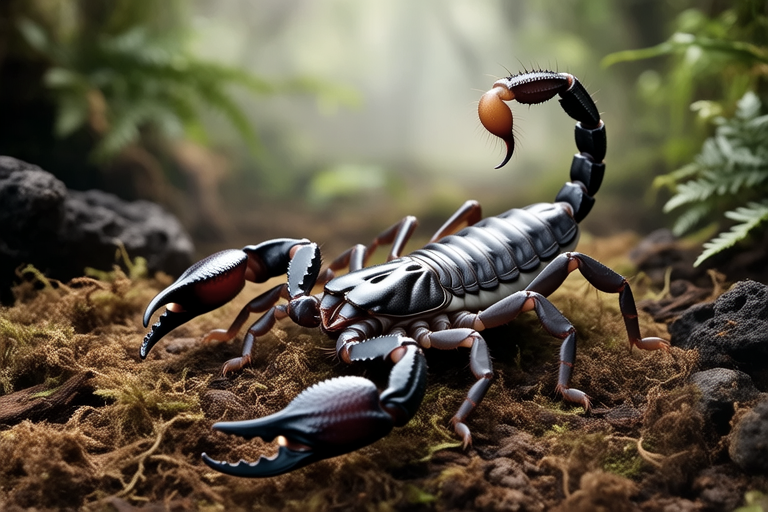
Beyond the Myths: A Comprehensive Guide to Caring for Your Heterometrus Spinifer Pet
Welcome to this comprehensive guide designed to help you understand and care for your Heterometrus spinifer pet. This article will debunk common myths, provide essential facts about their natural habitat, ideal living conditions, and dietary needs. We’ll also cover advice on handling, safety precautions, signs of good health versus illness, and how to create an enriching environment. Finally, we’ll discuss the commitment required for ownership and resources for further learning.
Debunking Common Myths About Heterometrus Spinifer
One of the most common misconceptions about Heterometrus spinifer, commonly known as the Indian forest scorpion, is that they are aggressive and highly venomous. While it’s true that they can deliver a painful sting, these creatures are generally shy and prefer to avoid confrontation. Another myth is that they require very little care. In reality, proper care involves understanding their specific needs and providing a suitable environment.
Essential Facts About Their Natural Habitat
The Heterometrus spinifer originates from tropical regions of India and Southeast Asia. They thrive in warm, humid environments with plenty of hiding spots and minimal disturbance. These scorpions are nocturnal and spend most of their time underground or in burrows during the day, emerging at night to hunt insects. Understanding their natural habitat is crucial for replicating conditions in captivity.
Ideal Living Conditions
Enclosure Setup
To ensure your Heterometrus spinifer feels at home, start by setting up an appropriate enclosure. A glass terrarium with a secure lid is ideal. The enclosure should be large enough to allow the scorpion ample space to move around comfortably. A substrate of coconut fiber or peat moss works well, providing both moisture retention and burrowing opportunities.
Temperature Control
Maintaining the right temperature is vital for your scorpion’s health. The ideal range is between 75°F and 85°F (24°C to 29°C). Use a thermometer to monitor temperatures and consider adding a heat mat or under-tank heater if necessary. Avoid placing the enclosure near direct sunlight or heat sources.
Humidity Levels
High humidity is essential for these scorpions. Aim for a relative humidity level between 70% and 80%. Regular misting helps maintain moisture, but ensure the enclosure has adequate ventilation to prevent mold growth. Using a hygrometer to measure humidity levels is recommended.
Dietary Needs
Heterometrus spinifer are carnivorous and primarily feed on live insects such as crickets, mealworms, and roaches. It’s important to offer a variety of prey items to ensure a balanced diet. Feed juveniles every two to three days, while adults can be fed once a week. Always remove uneaten prey after feeding to prevent potential harm to your scorpion.
Handling and Safety Precautions
While Heterometrus spinifer are generally docile, handling should be minimized to reduce stress. If handling is necessary, gently scoop them up using a soft, flat tool like a popsicle stick. Never grasp them by the tail or pinchers. Always wash your hands before and after handling to avoid transferring oils or chemicals that could harm your pet.
Signs of Good Health Versus Illness
A healthy Heterometrus spinifer displays vibrant coloration, active movement, and a full abdomen. Signs of poor health include lethargy, weight loss, discoloration, or difficulty moving. Regular observation allows you to quickly identify any changes in behavior or appearance, enabling prompt action if necessary.
Creating an Enriching Environment
In addition to basic care, enriching your scorpion’s environment enhances its quality of life. Provide multiple hiding spots using cork bark, artificial plants, or half logs. These additions stimulate natural behaviors and reduce stress. Additionally, ensure there are climbing structures available, such as branches or rocks, to encourage exploration.
The Commitment Required for Ownership
Owning a Heterometrus spinifer requires dedication and responsibility. Proper care demands attention to detail regarding their habitat, diet, and health. Be prepared for a long-term commitment, as these scorpions can live up to 10 years in captivity. Research thoroughly before deciding to take on this responsibility.
Resources for Further Learning
For more information, consider joining online forums dedicated to exotic pets or consulting books on scorpion care. Local herpetological societies often host events where you can meet experienced owners and learn valuable tips. Continuous education ensures you provide the best possible care for your Heterometrus spinifer.
