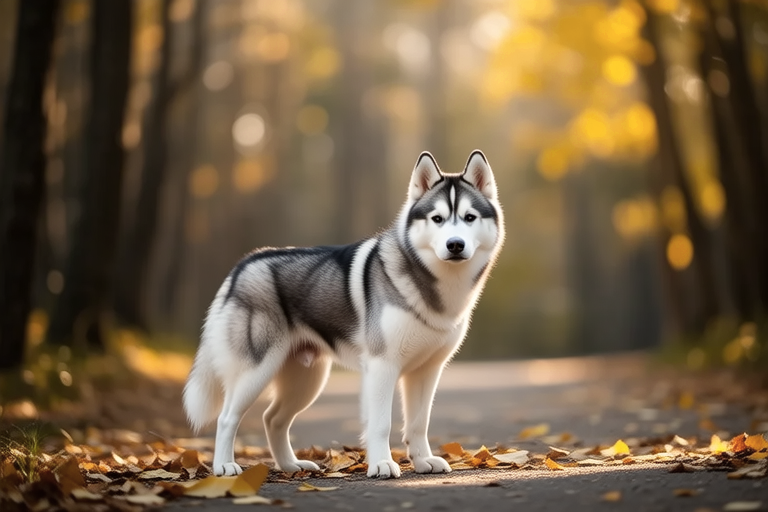
Paws & Adventure: Raising a Siberian Husky in Modern Times
The Siberian Husky is one of the most recognizable dog breeds in the world, known for its striking blue eyes, thick coat, and friendly demeanor. This article delves into the history and characteristics of the Siberian Husky, providing essential care tips for modern living, challenges of ownership, training methods, dietary recommendations, exercise needs, socialization strategies, common health issues, and advice on traveling with a husky. We also share inspiring stories from current husky owners about the joys and adventures of raising a Siberian Husky today.
History and Characteristics
Siberian Huskies have a rich history dating back thousands of years. Originating in Northeast Asia, they were bred by the Chukchi people as working dogs for herding and pulling sleds. Their endurance, strength, and ability to withstand harsh weather conditions made them invaluable companions in the Arctic regions.
Today, these dogs are beloved pets, appreciated for their loyalty, friendliness, and playful nature. They are medium-sized, typically weighing between 35 to 60 pounds, with a dense double coat that provides insulation against cold temperatures. Their eyes can be blue, brown, or a combination of both, adding to their unique appearance.
Essential Care Tips for Modern Living
Raising a Siberian Husky in modern times requires careful consideration of their needs. These dogs thrive in cold climates but can adapt to warmer environments if given appropriate shelter. A well-insulated doghouse with proper ventilation is essential, especially during extreme weather conditions.
Grooming is another crucial aspect of caring for a Siberian Husky. Their thick coats require regular brushing to prevent matting and reduce shedding. Weekly brushing is recommended, increasing to daily sessions during shedding seasons.
Challenges of Owning a Husky
Owning a Siberian Husky comes with unique challenges. Their high energy levels and independent nature can make them difficult to manage if not properly trained. Without adequate physical and mental stimulation, huskies may become destructive or exhibit behavioral problems.
Due to their strong prey drive, huskies can be dangerous around small animals, including cats and other pets. Early socialization and consistent training are vital to ensuring harmonious coexistence with other household members.
Training Methods Tailored for Intelligence and Energy
Training a Siberian Husky requires patience and creativity. Positive reinforcement techniques, such as clicker training and treats, work best for this intelligent breed. Consistency is key, as huskies can be stubborn and require repeated practice to master commands.
In addition to basic obedience training, huskies benefit from activities that engage their minds and bodies. Agility courses, puzzle toys, and interactive games help channel their energy constructively.
Diet Recommendations
A balanced diet is crucial for maintaining a Siberian Husky’s health. High-quality commercial dog food formulated for active breeds is generally sufficient. However, some owners opt for raw diets or home-cooked meals, consulting with veterinarians to ensure nutritional completeness.
Feeding schedules should be consistent, with two meals per day being optimal. Fresh water should always be available, particularly after exercise or on hot days.
Exercise Needs
Siberian Huskies are known for their boundless energy, requiring substantial daily exercise. Long walks, runs, and opportunities for free play are necessary to keep them physically fit and mentally stimulated.
Providing ample space for running and playing is ideal, though huskies can adapt to smaller living spaces if given sufficient outdoor time. Interactive toys and games also contribute to their overall fitness.
Socializing Them in Urban Environments
Socializing a Siberian Husky in urban environments involves exposing them to various stimuli while maintaining control. Early socialization helps prevent fearfulness or aggression towards strangers or unfamiliar situations.
Regular visits to parks, pet-friendly cafes, and other public spaces allow huskies to interact with different people and animals. Controlled environments, such as enclosed areas, provide safety during these experiences.
Common Health Issues and How to Address Them
Siberian Huskies are generally healthy but prone to certain genetic conditions. Hip dysplasia, cataracts, and progressive retinal atrophy are among the most common health issues. Regular veterinary check-ups and genetic testing can help identify potential problems early.
Maintaining a healthy weight through proper diet and exercise is essential for preventing obesity-related disorders. Dental care, including regular brushing and professional cleanings, prevents periodontal disease.
Practical Tips for Traveling with a Husky
Traveling with a Siberian Husky requires preparation. Portable water bowls, collapsible food dishes, and waste bags are essential. Consider purchasing a travel crate or carrier for safe transport.
When flying, consult airline policies regarding pet travel. Some airlines offer special programs for transporting pets, ensuring their comfort and safety during flights.
Advice on Integrating Them into Family Life
Integrating a Siberian Husky into family life involves setting clear boundaries and establishing routines. Designate specific areas for sleeping and eating, reinforcing these spaces through positive reinforcement.
Children and older adults can benefit from supervised interactions with huskies, fostering mutual respect and understanding. Teaching children how to handle and approach the dog safely is crucial.
Inspiring Stories and Testimonials
One owner shares, “Our Siberian Husky, Luna, has brought so much joy to our lives. Her playful spirit and loyalty make every day an adventure. Despite her occasional mischievous moments, she is a loving companion who enriches our family.”
Another owner notes, “Training our husky was challenging at first, but with patience and consistency, we’ve created a well-behaved and happy dog. The bond we’ve formed is unbreakable, and we look forward to many more adventures together.”
Raising a Siberian Husky in modern times offers countless joys and challenges. By understanding their history, addressing their unique needs, and embracing their adventurous spirit, you can create a fulfilling life for your husky and your family.
