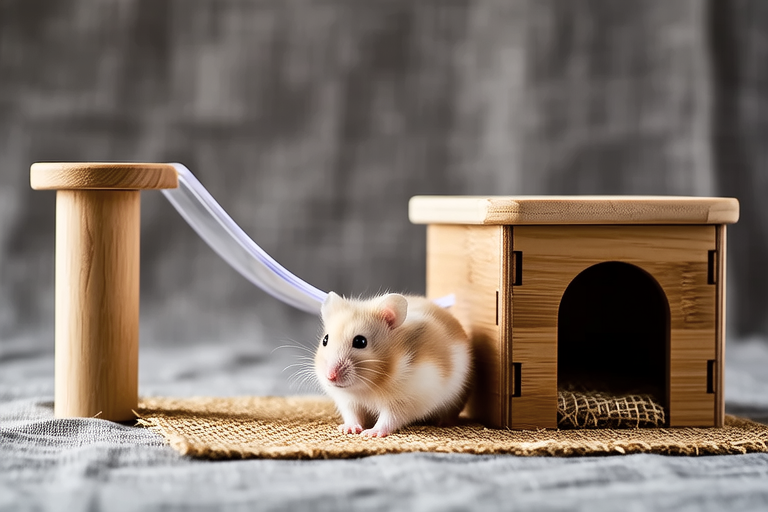
How to Create the Perfect Hamster Habitat in Just One Weekend
Welcome to your guide on creating the perfect hamster habitat! A well-prepared home is crucial for the health and happiness of your little furry friend. This comprehensive guide will walk you through every step, from choosing the right cage to providing balanced nutrition and safe exercise opportunities. By the end of this weekend, you’ll have a cozy, stimulating environment that keeps your hamster thriving.
Selecting the Right Cage Size and Type
The first step in building the perfect hamster habitat is choosing the right cage. Hamsters are active creatures that need ample space to explore and exercise. A minimum of 450 square inches of floor space is recommended for most hamster species, though Syrian hamsters require even more room due to their larger size. Opt for wire cages with solid floors to prevent injuries and maintain hygiene. Avoid cages with small gaps, as they can pose a risk to your pet.
For smaller spaces, consider a glass aquarium with a secure mesh lid. Ensure proper ventilation by leaving a gap at the top or installing a screen. If using an aquarium, add a layer of bedding to absorb moisture and odors. Additionally, place the cage in a quiet area away from direct sunlight and drafts to minimize stress.
Essential Bedding Materials
Adequate bedding is essential for your hamster’s comfort and well-being. Choose soft, dust-free materials that promote good air quality and provide insulation. Popular choices include shredded paper, wood shavings (avoid cedar and pine), and commercially available paper-based products. Ensure the bedding is at least two inches deep to allow digging and burrowing behaviors.
Hamsters enjoy nesting, so include soft, washable items like cloth hammocks or tunnels for them to snuggle into. Rotate these items regularly to keep the habitat fresh and engaging. Clean the bedding weekly, removing soiled areas and replacing it entirely every few weeks to prevent ammonia buildup.
Toys and Accessories for Mental Stimulation
To keep your hamster mentally stimulated and physically active, provide a variety of toys and accessories. Chew toys made from untreated wood or cardboard help wear down teeth, which grow continuously. Exercise wheels with solid running surfaces prevent injuries and offer a way for your hamster to burn off energy. Other enriching items include tunnels, bridges, and hideouts.
Rotate toys periodically to prevent boredom and encourage exploration. Place toys strategically throughout the cage to create different zones for sleeping, eating, and playing. Ensure all items are safe and free from small parts that could be ingested.
Provision of Balanced Diet
Feeding your hamster a balanced diet is vital for its overall health. High-quality commercial hamster food mixes provide essential nutrients and vitamins. Supplement this with fresh vegetables and fruits in moderation. Dark leafy greens, carrots, and apples are nutritious choices, but avoid feeding citrus fruits or foods high in sugar and fat.
Provide a water bottle with a sipper tube attached to the cage for easy access to clean, fresh water. Check the bottle daily to ensure it is functioning correctly and refill as needed. Store food in airtight containers to protect it from moisture and pests.
Safe Exercise Options
Exercise is crucial for your hamster’s physical and mental health. In addition to the exercise wheel, provide a hamster ball for supervised playtime outside the cage. Ensure the ball has ventilation holes and is used only on smooth, flat surfaces indoors. Limit ball time to about 15 minutes per session to prevent overheating and exhaustion.
Encourage natural foraging behaviors by hiding treats around the cage. This mimics their wild instincts and provides mental stimulation. Rotate the location of food and water dishes daily to keep your hamster engaged and active.
Step-by-Step Setup Instructions
Day 1: Preparation and Initial Setup
- Choose the right location: Find a quiet spot away from direct sunlight and drafts. Ensure the area is easily accessible for cleaning and maintenance.
- Prepare the cage: Lay down a layer of bedding at least two inches deep. Add a water bottle and a food dish filled with high-quality hamster food.
- Add toys and accessories: Place a chew toy, an exercise wheel, and a hideout in the cage. Arrange items to create distinct zones for sleeping, eating, and playing.
- Introduce the hamster: Gently place your hamster in the cage. Allow it to explore and acclimate to its new environment over several hours.
Day 2: Final Touches and Safety Checks
- Install additional toys: Add tunnels, bridges, and other enrichment items to the cage. Ensure all items are securely placed and safe for your hamster.
- Check ventilation: Ensure the cage has adequate ventilation, especially if using a glass aquarium. Leave a gap at the top or install a screen for airflow.
- Inspect the setup: Review the entire habitat to ensure everything is in place and functioning correctly. Make any necessary adjustments for comfort and safety.
- Introduce the hamster ball: Supervise your hamster during its first few sessions in the ball. Gradually increase playtime as your hamster becomes comfortable.
Tips for Ongoing Care and Maintenance
Maintaining a clean and safe habitat is crucial for your hamster’s long-term health. Clean the cage weekly, removing soiled bedding and replacing it with fresh material. Scrub the cage and accessories with mild soap and water, then rinse thoroughly and dry before reassembling.
Monitor your hamster’s behavior and health regularly. Look for signs of illness such as lethargy, changes in appetite, or abnormal stool. Consult a veterinarian if you notice any concerning symptoms. Rotate toys and accessories periodically to keep the habitat engaging and mentally stimulating.
Provide fresh water and food daily, checking the water bottle for leaks and refilling as needed. Observe your hamster’s eating habits to ensure it is consuming a balanced diet. Adjust the quantity and types of food based on your hamster’s preferences and nutritional needs.
By following these steps and maintaining a consistent care routine, you’ll ensure your hamster enjoys a happy, healthy life in its perfect habitat. Remember, a well-prepared home is the foundation for a thriving pet.
