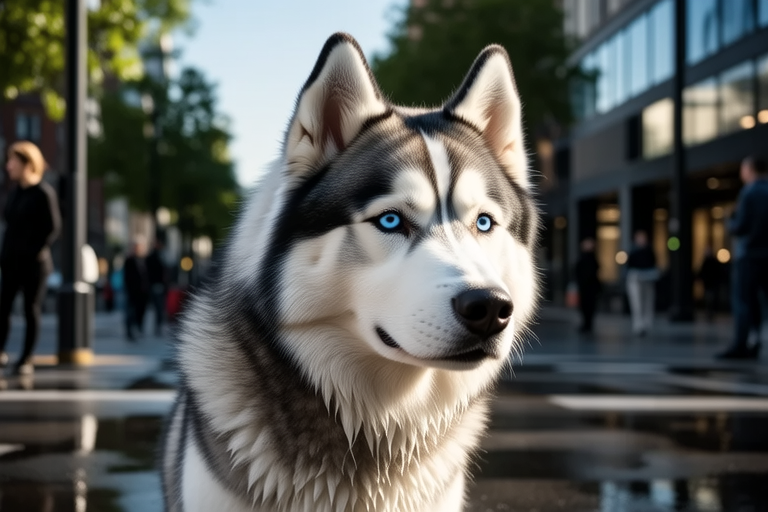
From Snow to Streets: How Siberian Huskies Adapt in Urban Environments
Siberian Huskies, known for their striking blue or multi-colored eyes and thick double coats, have long been cherished for their endurance and beauty. These dogs hail from the icy landscapes of Siberia, where they were originally bred by the Chukchi people for sled pulling and companionship. Their natural habitat is characterized by harsh winters, vast expanses of snow, and rugged terrain. Adapted to these conditions, Siberian Huskies possess remarkable stamina, an innate desire to run, and a friendly demeanor that makes them excellent family pets. However, when introduced to urban environments, these dogs face a series of challenges that test their adaptability and resilience.
Natural Habitat and Characteristics
The original home of Siberian Huskies was the frozen tundra of northeastern Asia. Here, they thrived in temperatures as low as -60°C (-76°F), pulling sleds across long distances and enduring blizzards. Their thick, water-resistant coats, consisting of a soft undercoat and a longer outer coat, provided insulation against the biting cold. Additionally, their strong, muscular bodies enabled them to pull heavy loads efficiently over ice and snow. Despite their robust appearance, Siberian Huskies are known for their gentle nature and sociability, making them ideal companions for both work and leisure.
Initial Challenges in Urban Settings
Moving from the snowy expanses of Siberia to bustling cityscapes presents several challenges for Siberian Huskies. The most immediate issue is the lack of space for running and exercising. In urban areas, open fields and wide-open spaces are rare, and the streets are often crowded with cars and pedestrians. This can be disorienting for a breed that is accustomed to large, unobstructed areas. Moreover, the heat of urban environments can be taxing on a dog with such a thick coat, leading to overheating if not properly managed.
Another significant challenge is the sensory overload of city life. The constant noise, bright lights, and numerous stimuli can be overwhelming for a dog that is used to a quieter, more predictable environment. Additionally, the presence of other animals, particularly smaller pets like cats, can trigger prey instincts that are usually suppressed in the wild. Socializing a Siberian Husky in an urban setting requires careful attention to ensure they remain calm and well-adjusted.
Adjusting to City Life
Despite these challenges, many Siberian Huskies thrive in urban environments when given the right care and attention. One of the key factors in their adjustment is ensuring they receive adequate exercise. While they may not have the expansive areas of their native lands, creative solutions can provide the necessary physical activity. Owners can take advantage of parks, off-leash areas, and even dog-friendly beaches during cooler months to allow their Huskies to run freely. Regular walks, jogging, and play sessions are also essential to keep these energetic dogs healthy and happy.
Social interactions are equally important for Siberian Huskies in urban settings. These dogs are naturally social and thrive on companionship. In the city, this can mean introducing them to other dogs at dog parks, participating in dog training classes, or simply inviting friends over for playdates. Ensuring they have regular contact with other dogs helps them maintain their friendly and outgoing personalities.
Health considerations are paramount for Siberian Huskies living in cities. Due to their thick coats, they are prone to overheating in warmer climates. Owners must be vigilant about providing shade, access to fresh water, and cooling methods such as wet towels or cooling vests. Regular grooming is also crucial to prevent matting and overheating. Additionally, monitoring their diet and ensuring they maintain a healthy weight is vital, as obesity can exacerbate joint problems common in larger breeds.
Tips for Owners
For owners looking to bring a Siberian Husky into an urban environment, there are several practical steps to ensure their pet’s well-being:
- Exercise Routine: Establish a consistent exercise routine that includes daily walks, runs, and playtime. Consider enrolling your Husky in agility classes or other activities that stimulate both body and mind.
- Environmental Enrichment: Provide toys, puzzles, and interactive games to keep your Husky mentally engaged. This helps prevent boredom and destructive behavior.
- Temperature Management: Keep an eye on the weather and adjust outdoor time accordingly. Use cooling vests, fans, and air conditioning to manage their body temperature in hot weather.
- Regular Grooming: Maintain a regular grooming schedule to keep their coat healthy and prevent matting. This also helps reduce shedding, which can be a significant issue in urban homes.
- Training and Socialization: Early and consistent training is essential to teach your Husky basic commands and good manners. Socializing them from a young age will help them become comfortable around other animals and people.
The Unique Bond Between Huskies and Their Human Companions
The bond between Siberian Huskies and their urban-dwelling human companions is a testament to the adaptability and resilience of both species. Many success stories highlight how these dogs have flourished in city environments with the right support. For instance, some owners have turned their backyards into mini-sled tracks, allowing their Huskies to fulfill their need for speed and exercise. Others have joined local dog clubs or organized community events, fostering a sense of belonging for both the dogs and their families.
In conclusion, while Siberian Huskies face unique challenges when transitioning from snowy environments to urban settings, with proper care and attention, they can thrive in city life. By addressing their exercise needs, social interactions, and health concerns, owners can ensure their beloved pets lead fulfilling and happy lives. The unique bond between Siberian Huskies and their human companions in urban areas is a beautiful example of mutual adaptation and love.
