Paws & Adventure: Living with a Siberian Husky
Welcome to the world of Siberian Huskies! These magnificent creatures have captured the hearts of many with their striking appearance and adventurous spirit. If you’re considering bringing a Siberian Husky into your life, or if you’re already living with one, this guide will provide you with all the information you need to understand, train, and care for your furry companion.
The Unique Characteristics of Siberian Huskies
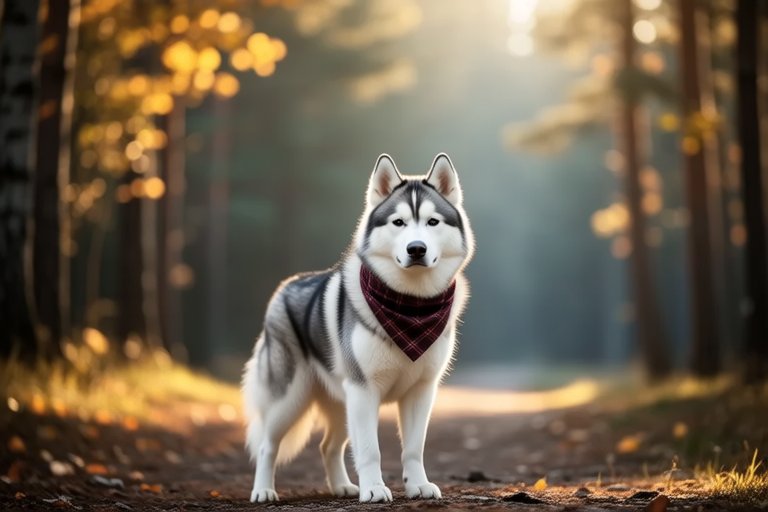
Siberian Huskies are a breed with a rich history, originally bred by the Chukchi people of Siberia for sled pulling. They are known for their striking blue or multi-colored eyes, thick double coats, and wolf-like appearance. These dogs are medium-sized, standing about 20-24 inches at the shoulder and weighing between 35-60 pounds. Their dense coat provides insulation against cold temperatures, making them well-suited for snowy climates.
One of the most distinctive features of Siberian Huskies is their expressive faces. Their alert, intelligent eyes and soft muzzles give them an almost human-like expression, making it easy to bond with them. Despite their wolf-like appearance, Siberian Huskies are domesticated dogs, with a friendly and gentle nature towards humans.
Energy Levels and Exercise Needs
Siberian Huskies are high-energy dogs that require significant exercise to maintain their physical and mental health. Their endurance is legendary, as they were bred to pull sleds over long distances in harsh conditions. This means that they need plenty of opportunities to run, play, and explore.
If you’re looking for a dog that will be content with a short walk around the block, a Siberian Husky may not be the right fit for you. These dogs thrive on long walks, runs, and outdoor adventures. They excel in activities such as hiking, jogging, and even participating in dog sports like agility and obedience trials. Providing ample exercise not only keeps your Husky physically healthy but also helps prevent destructive behaviors that can arise from boredom or excess energy.
Training Needs
Training a Siberian Husky requires patience, consistency, and positive reinforcement. Huskies are intelligent and independent, which can sometimes make them challenging to train. However, with the right approach, they can become well-behaved and obedient companions.
Positive reinforcement techniques, such as rewarding good behavior with treats and praise, work best with this breed. Avoid harsh punishment, as it can lead to fear and resistance. Instead, focus on building a strong bond with your Husky through trust and respect. Training sessions should be kept short and fun, as Huskies have short attention spans. Incorporating games and activities into training can help keep them engaged and motivated.
Early socialization is crucial for Siberian Huskies. Exposing them to various environments, people, and other animals from a young age helps them develop into well-rounded and confident adults. Proper socialization can also reduce the likelihood of behavioral issues, such as aggression or fearfulness.
Companionship Qualities
Siberian Huskies are known for their friendly and affectionate nature. They form strong bonds with their families and are often described as “people dogs.” While they are typically gentle and loving with children, supervision is always recommended due to their size and exuberance.
These dogs are pack-oriented and enjoy being part of a family. They thrive on companionship and can suffer from separation anxiety if left alone for extended periods. For this reason, it’s important to ensure that your Husky has plenty of company and stimulation when you’re away. Providing toys, puzzles, and interactive games can help keep them occupied and happy.
Challenges of Owning a Siberian Husky
Owning a Siberian Husky comes with its own set of challenges. One of the biggest challenges is managing their energy levels. As mentioned earlier, these dogs require significant exercise, and failing to provide it can lead to behavioral problems. Another challenge is their tendency to wander. Huskies have a strong prey drive and a natural instinct to roam, which can make them escape artists. Ensuring that your yard is securely fenced and keeping them on a leash during walks is essential.
Siberian Huskies are also prone to certain health issues, such as hip dysplasia, eye problems, and skin allergies. Regular veterinary check-ups and proper nutrition can help mitigate these risks. It’s important to research reputable breeders and choose a puppy from a healthy lineage to minimize the chances of inherited health problems.
Practical Advice for Potential Owners
If you’re considering adding a Siberian Husky to your family, there are several practical steps you can take to ensure a smooth transition:
- Research Breeders: Look for reputable breeders who prioritize the health and well-being of their dogs. Visit the breeding facility, meet the parents, and ask questions about the breeding process and any health concerns.
- Prepare Your Home: Make sure your home is safe and secure for a Husky. This includes securing fences, ensuring that windows and doors are closed, and removing any potential hazards.
- Invest in Grooming Supplies: Siberian Huskies shed heavily, especially during seasonal changes. Be prepared to invest in grooming tools, such as brushes and combs, to manage their coat.
- Join a Husky Community: Connecting with other Husky owners can provide valuable support and advice. Consider joining local clubs or online forums dedicated to Siberian Huskies.
Stories and Tips for Living with a Siberian Husky
Living with a Siberian Husky can be an enriching experience, filled with adventure and companionship. Here are some stories and tips from experienced owners:
Story 1: The Outdoor Explorer
John, a Husky owner from Alaska, shares his story of how his Siberian Husky, Bella, transformed his life. “Bella has introduced me to a whole new world of outdoor activities,” he says. “We go hiking every weekend, and she’s always excited to explore new trails. She’s taught me the importance of staying active and enjoying nature.”
Tips for Hiking with a Husky:
- Bring plenty of water and snacks for both you and your dog.
- Use a sturdy harness instead of a collar to prevent choking.
- Be mindful of weather conditions and avoid hiking during extreme heat or cold.
Story 2: The Indoor Companion
Jane, a Husky owner from New York City, talks about her experiences with her Husky, Max. “Max is my constant companion,” she says. “Even though we don’t have access to large outdoor spaces, we find ways to stay active indoors. We play fetch in the park, and I’ve even taught him some tricks.”
Tips for Indoor Activities:
- Set up an obstacle course using pillows and chairs.
- Teach your Husky basic commands and tricks.
- Engage in interactive games, such as hide-and-seek.
Conclusion
Siberian Huskies are a remarkable breed that brings joy, adventure, and companionship to those lucky enough to share their lives. With their unique characteristics, high energy levels, and friendly nature, they can be the perfect addition to an active lifestyle. By understanding their needs and providing proper care, you can ensure a fulfilling and enriching relationship with your Siberian Husky. Whether you’re embarking on outdoor adventures or enjoying quiet moments at home, your Husky will be your loyal and loving companion every step of the way.
